
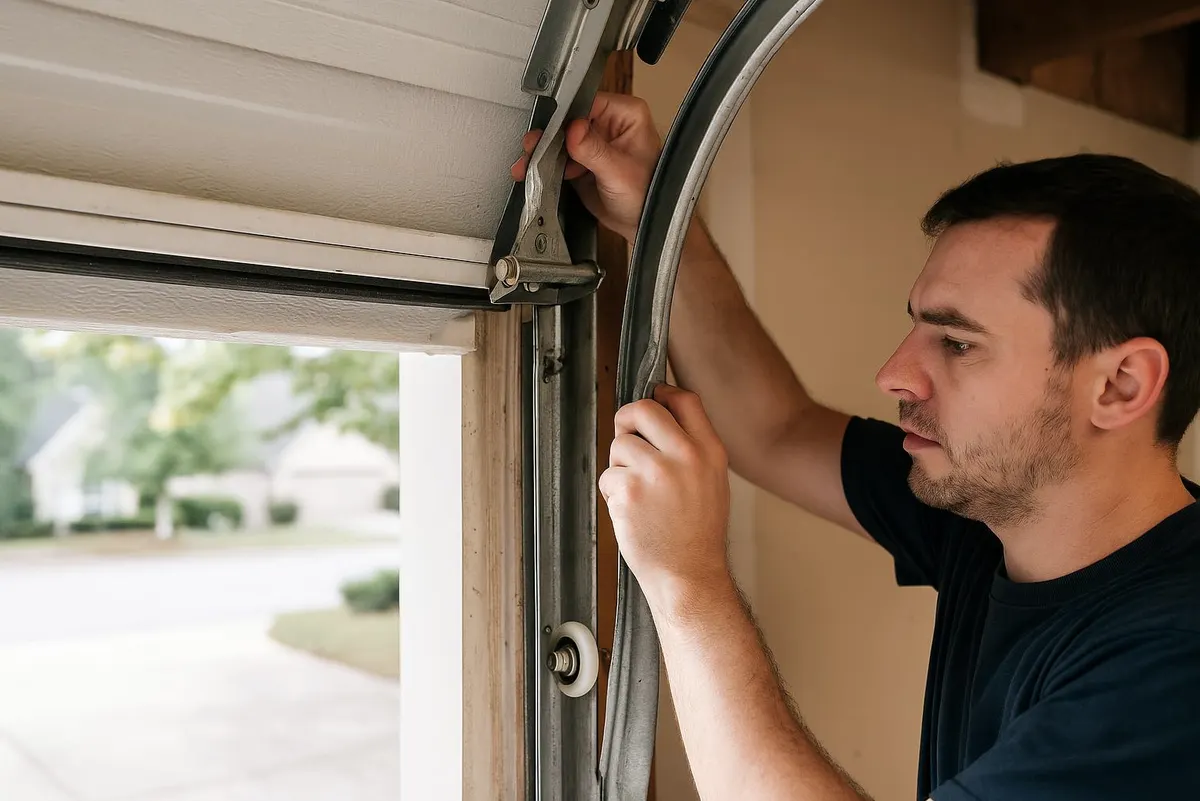
Every winter you squeeze one more season out of a tired garage door, you're betting against a torsion spring that's already stretched past its rated cycles, a panel that's rusting from the inside out, or an opener motor straining on a door that's heavier than it should be because the insulation has failed. In Hampton Roads, that bet gets riskier once the icy mornings and heavy rain show up. A door that drags or binds in cold weather puts more load on cables and rollers, and a bottom seal that's already cracked lets in water during a coastal storm instead of keeping it out. Waiting doesn't just risk a bigger repair bill later — it can mean replacing hardware, opener, and insulation all at once instead of planning the job on your own schedule.
What a New Garage Door Actually Costs, Installed
These are national price ranges for materials and installation labor combined. Your actual number depends on the factors below, but this gives you a realistic starting point for budgeting.
- Basic steel, non-insulated, single door: roughly $700–$1,200 installed. This is the builder-grade option — one layer of steel, minimal weather sealing, standard hardware.
- Insulated steel, single or double: roughly $1,200–$2,500 installed. Adds a foam core, better weatherstripping, and usually a sturdier track and spring setup to handle the added weight.
- Carriage-style steel or faux wood: roughly $2,500–$5,000 installed. Steel or composite construction with decorative hardware, panel overlays, and sometimes windows to mimic a swing-open wood door without the maintenance.
- Custom wood or high-end carriage style: roughly $5,000–$10,000+ installed. Real wood construction, custom sizing, hand-applied finishes, and premium hardware. These doors need more upkeep but are often chosen for historic-style or architecturally distinct homes.
What Moves the Price Inside Each Range
- Size: A double-wide door costs meaningfully more than a single, both in material and in the heavier-duty springs and track it needs.
- Insulation level: R-value matters more than it looks on paper. A thicker insulated door resists temperature swings better, which matters in a region with humid summers and icy winters back to back.
- Windows and decorative hardware: Glass inserts, faux strap hinges, and handles add cost but also add the most visible curb-appeal change.
- Opener compatibility: If your current opener is older or underpowered for a heavier insulated door, bundling opener replacement into the job adds cost up front but avoids a mismatched system that strains and wears out early.
- Removal and structural work: Older homes sometimes have tracks, framing, or headers that need adjustment to fit a modern door correctly. This is more common in older housing stock than in newer construction, and it's worth asking about during the estimate rather than after the job starts.
- Access and site conditions: Detached garages, tight driveways, or doors that require extra bracing for wind load can add labor time.
Local Factors Worth Weighing Before You Choose
Williamsburg and the surrounding area mix older homes with newer construction, and that affects which door makes sense. On older homes, a carriage-style door often matches the architecture better than a plain flush steel panel, but it's worth checking that the opening and framing can accept it without extra structural work. Given the humid summers and heavy rain here, insulation and sealing quality matter beyond just energy savings — they affect how much moisture and swelling your door deals with year-round. And because winters bring real icy mornings, a door with solid weatherstripping and a heavier-duty spring system will hold up better than the bare minimum option.
When Repair Still Makes Sense
Not every aging door needs full replacement. A single cracked panel, a worn opener, or a spring at the end of its cycle life can often be fixed for a fraction of replacement cost. Replacement starts to make more financial sense when you're facing multiple failures at once — rusted panels plus a dying opener plus failed insulation — or when the door is visibly out of proportion with updates you've made elsewhere on the house.
When to Call Williamsburg Garage Door
If you're not sure whether your door is a repair or a replacement, that's exactly the call to make before committing to either. Williamsburg Garage Door can assess spring condition, opener compatibility, and panel damage, then walk you through Garage Door Installation options that fit your home's style and your budget, or handle Spring Replacement and Opener Repair & Installation if the existing door still has life left in it. Either way, you get a straight answer instead of a guess.
Serving Williamsburg, James City County, Yorktown, Newport News, Hampton, Toano, Norge, and Lightfoot — call Williamsburg Garage Door today to get a clear estimate before winter puts the decision on its own schedule.